
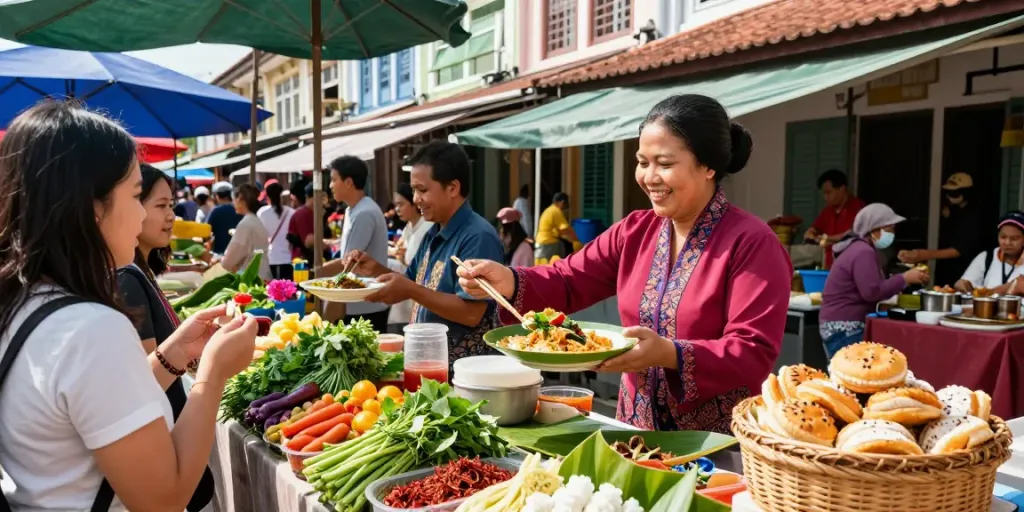
Understanding Nyonya Cuisine and Its Cultural Significance
Nyonya cuisine, a vibrant fusion of Chinese and Malay culinary traditions, stands out as a unique gastronomical experience that reflects the rich heritage of the Peranakan culture. For those interested in exploring this captivating culinary world, nyonya4d offers a plethora of insights and resources. From its historical roots to contemporary adaptations, Nyonya cuisine encapsulates a diverse range of flavors and techniques, making it beloved among food aficionados and cultural enthusiasts alike.
What is Nyonya Cuisine?
Nyonya cuisine, also known as Peranakan or Straits Chinese cuisine, originated from the early Chinese immigrants who settled in Malaysia and Singapore. This multifaceted culinary art marries Chinese cooking methods with local Malay ingredients and spices, resulting in dishes that are both aromatic and richly flavored. The term "Nyonya" refers to the female descendants of these immigrants, while "Baba" is the term for their male counterparts. Together, they form the Peranakan community, which has profoundly influenced the culture, language, and cuisine of Southeast Asia.
Historical Influences on Nyonya Cooking
The origins of Nyonya cuisine can be traced back to the 15th century when Chinese merchants began to settle in the Malay Archipelago. As they assimilated into the local culture, they adapted their recipes using indigenous ingredients such as lemongrass, turmeric, and coconut milk. The blending of flavors not only showcased the culinary creativity of the Nyonya but also highlighted the socio-economic exchanges between the Chinese and Malay communities. This fusion is evident in iconic dishes like Laksa, a spicy noodle soup, and Ayam Buah Keluak, chicken cooked with the black nut of the kepayang tree.
Key Ingredients and Flavors in Nyonya4D Dishes
The essence of Nyonya cuisine lies in its use of bold flavors and fresh ingredients. Key components include:
- Lemongrass: Adds a citrusy note to dishes and is often used in marinades.
- Coconut Milk: Provides creaminess and richness, crucial in curries and desserts.
- Spices: A blend of coriander, cumin, and turmeric creates the characteristic Nyonya spice paste known as “rempah.”
- Fermented Ingredients: Items like shrimp paste (belacan) and pickled vegetables are common, enhancing umami flavors.
- Local Vegetables: Ingredients like daun kaduk (wild pepper leaves) and buah keluak bring authenticity to dishes.
Popular Dishes to Experience Nyonya4D Flavors
Must-Try Nyonya Specialties
For anyone keen on experiencing the authentic flavors of Nyonya cuisine, several dishes are absolute must-tries:
- Rendang: A slow-cooked spicy meat dish that is deeply aromatic.
- Char Kway Teow: Stir-fried flat rice noodles with prawns, Chinese sausage, and bean sprouts.
- Otah-Otah: Grilled fish paste mixed with spices and wrapped in banana leaves.
- Chendol: A dessert made from shaved ice, coconut milk, and green rice flour jelly.
Signature Ingredients Used in Traditional Recipes
The unique taste of Nyonya cuisine stems from its signature ingredients. For instance, the use of:
- Asam: A sour tamarind fruit used in dishes like Asam Pedas, a sour fish stew.
- Belacan: Shrimp paste that adds depth and flavor to many dishes.
- Kaffir Lime Leaves: Adding a fragrant citrus aroma to curries and soups.
These ingredients combine to create dishes that are not only delicious but also reflective of the cultural heritage behind them.
How to Recreate Nyonya Dishes at Home
Recreating Nyonya dishes at home can be a delightful experience. Here are some tips to get started:
- Source Authentic Ingredients: Look for specialized Asian grocery stores for hard-to-find items.
- Follow Traditional Recipes: Use cookbooks or reputable online resources that focus on Nyonya cuisine.
- Experiment with Spices: Don't shy away from adjusting spice levels to suit your palate.
By following these steps, anyone can explore the intricacies of Nyonya cooking.
The Role of Nyonya4D in Modern Culinary Trends
Fusion Cuisine: Blending Nyonya with Contemporary Styles
In the dynamic world of modern gastronomy, Nyonya cuisine has seen various twists and iterations. Chefs are experimenting by merging Nyonya dishes with global culinary trends, collaborating with elements of Nordic cuisine or even molecular gastronomy. Dishes like Nyonya-inspired tacos or laksa-infused pasta exemplify this creative fusion, capturing the interest of adventurous eaters.
Pop Culture Representation of Nyonya Cuisine
Nyonya cuisine has begun to make waves in mainstream media, featuring prominently in cooking shows, food blogs, and Instagram feeds. Food influencers are highlighting the aesthetic appeal of Nyonya dishes, making them more accessible to a global audience, thus paving the way for a revival of interest in traditional dishes.
Impact of Social Media on Nyonya4D Popularity
Social media platforms have become powerful tools for the promotion of Nyonya cuisine. Short video clips showcasing cooking techniques or the intricacies of Nyonya dishes are capturing the attention of food lovers worldwide. The visual appeal of these dishes has elevated their status, encouraging eateries to innovate while remaining true to traditional flavors.
Exploring Nyonya4D in Food Tourism
Top Destinations for Nyonya Cuisine Lovers
For culinary enthusiasts, several locations are must-visit spots for authentic Nyonya cuisine:
- Penang, Malaysia: Renowned for its street food and deep-rooted Nyonya heritage.
- Malacca, Malaysia: The historical heart of Nyonya culture, with many traditional restaurants.
- Singapore: A melting pot of cultures offering diverse Nyonya dining experiences.
Culinary Classes and Experiences to Consider
Many destinations offer cooking classes where visitors can learn the art of Nyonya cooking. Participating in these hands-on experiences not only enhances culinary skills but also deepens appreciation for the culture. Look for classes led by local chefs or cooking schools that focus on traditional techniques.
How Nyonya4D Contributes to Local Economies
The thriving interest in Nyonya cuisine significantly contributes to local economies, particularly in regions with a rich Nyonya heritage. Increased tourism brings business to local restaurants, markets, and artisanal producers, fostering a supportive ecosystem that values cultural preservation.
The Future of Nyonya Cuisine and Cultural Preservation
Preserving Nyonya Traditions for Future Generations
As globalization continues to reshape culinary landscapes, it becomes increasingly important to preserve Nyonya traditions. Efforts are underway to document recipes, oral histories, and cooking methods, ensuring that the richness of Nyonya cuisine is not lost.
Innovations in Nyonya Cooking Techniques
Modern chefs are reinterpreting Nyonya cuisine by infusing modern techniques with traditional practices. This innovative approach is seen in the use of sous-vide methods for marinating proteins or deconstructing classic dishes to create contemporary presentations while honoring original flavors.
Upcoming Trends in the Nyonya4D Culinary Scene
As we look toward the future, expect to see a rise in plant-based Nyonya dishes and sustainable practices within restaurants. More chefs are exploring how to create traditional flavors with locally sourced, sustainable ingredients, aligning the cuisine with modern dietary preferences.
What are the most popular Nyonya dishes?
Among the most celebrated Nyonya dishes are Laksa, Nasi Kandar, and Kueh Lapis. These dishes exemplify the flavor profiles and culinary techniques integral to Nyonya cuisine.
How can I learn to cook Nyonya cuisine?
Engaging with local cooking classes, online tutorials, or even traveling to areas with rich Nyonya heritage can greatly enhance your learning experience.
Where can I find authentic Nyonya restaurants?
Authentic Nyonya restaurants can often be found in regions with significant Peranakan communities, such as Malacca, Penang, and Singapore, each offering a unique interpretation of classic dishes.
What makes Nyonya4D different from other Asian cuisines?
Nyonya cuisine distinguishes itself through its unique blend of spices, ingredients, and cooking techniques that reflect both Chinese and Malay influences, resulting in a distinct flavor profile.
How to identify authentic Nyonya flavors?
Authentic Nyonya flavors are characterized by their complex layering of spices, freshness of ingredients, and the use of traditional cooking methods. Tasting a dish that balances sweet, sour, spicy, and salty profiles is a hallmark of genuine Nyonya cuisine.